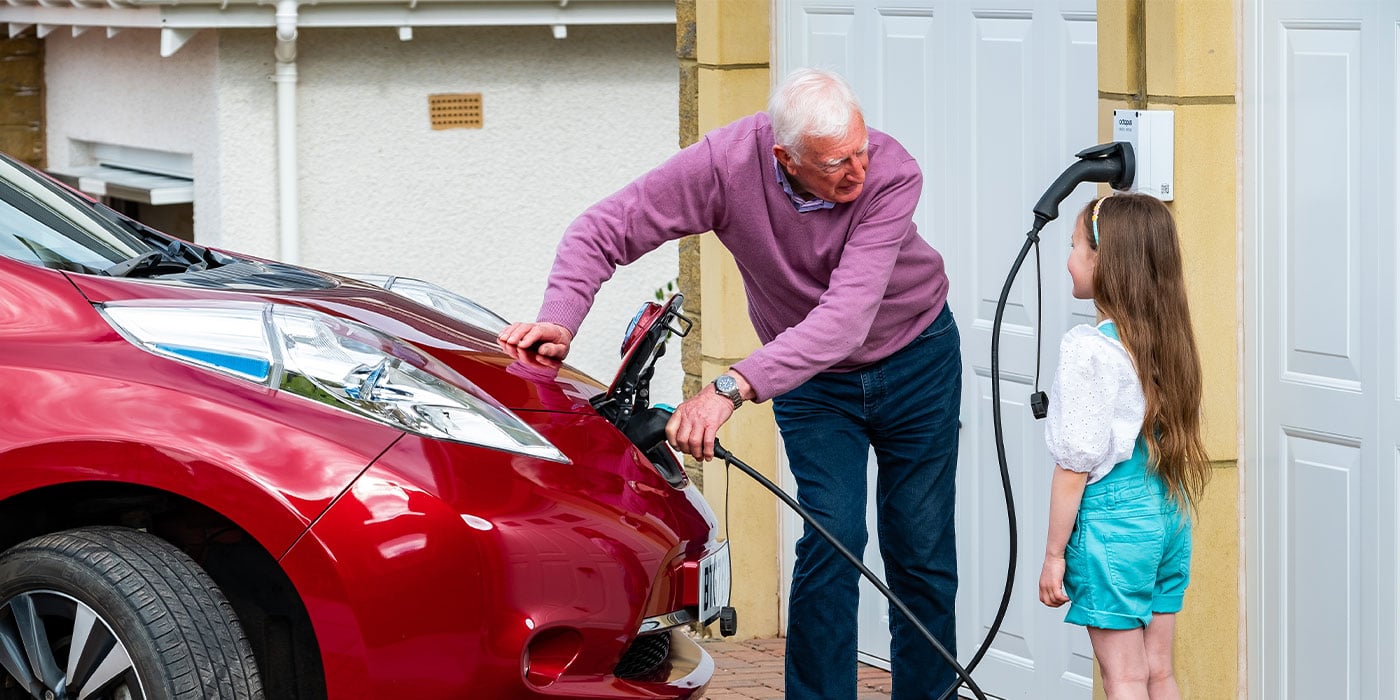
Charging at home
Getting your home ready to charge an electric vehicle is simple, but it’s important to make sure your home’s supply can safely handle the extra demand.
We recommend speaking to a qualified electrician or installer. They’ll check the expected maximum demand of your property (including the EV charger) and work out the correct process for connection.
There are 2 possible routes:
Connect and Notify
If the total demand of the property is 60 amps or less and has no safety concerns, the installer does not need to apply in advance of the installation. However, they must notify us once the charger is installed by completing the G98 – Form B.
This makes sure we have an accurate record of the additional load on the network.
If the property is looped (i.e. it shares a service cable with another property), an application must be submitted before installation to ensure the safety of the cut-out and to allow for unlooping where necessary.
Load Check
If the total demand of the property is more than 60 amps or does not qualify against any other criteria for Connect and Notify, the installer must apply to connect and wait for permission before installing the EV charger.
Applications can be submitted in any of the following ways:
- Via our website
- By emailing a completed ENA form to EVHP@ssen.co.uk
- Through the Connect Direct portal
We’ll then review the information we hold on record and along with any photos you provide, including:
- The looped status of the property
- The style of the cut-out/fuse
- The age and condition of the existing connection
Providing clear photos with the application helps speed the review process.
If the property’s demand exceeds what the existing supply can safely provide, due to the cut-out type, fuse rating or a looped supply, we’ll arrange for any necessary upgrade or unlooping works to be completed before installation.
Once your charger is installed, your installer should submit the notification within 28 days.
Charging on the street
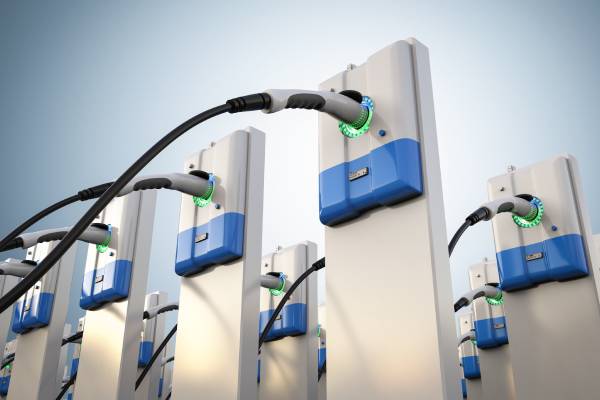
If you’re an installer or local authority looking to install new EV equipment, whether it’s a standalone charger or connected to existing unmetered street furniture such as streetlights, you’ll need to apply first. Please make sure to submit your application before starting any work.
We’ll then check whether the existing supply can handle the charger. If it can’t, we’ll provide a quote for any necessary upgrades.
Our checks make sure the local electricity network is fit for purpose and can safely support the increased demand from new EV chargers.
Information for Installers
We rely on installers to help us keep the network running smoothly and safely. When installing EV charging equipment, please remember to:
1. Check supply capacity
Make sure the property’s electricity supply can support the EV charger plus any existing load
2. Determine the correct process
– For properties with total demand ≤ 60 A, use Connect and Notify
– For properties with total demand > 60 A, submit an ENA application
3. Check earthing adequacy
Confirm that the earthing arrangement is suitable before installation
4. Provide photos
Include clear images of the cut-out, fuse and meter position to support your application
If our assessment shows that the supply requires an upgrade, this must be completed before the EV charger is installed.
Multiple EV connections
Still need help?